

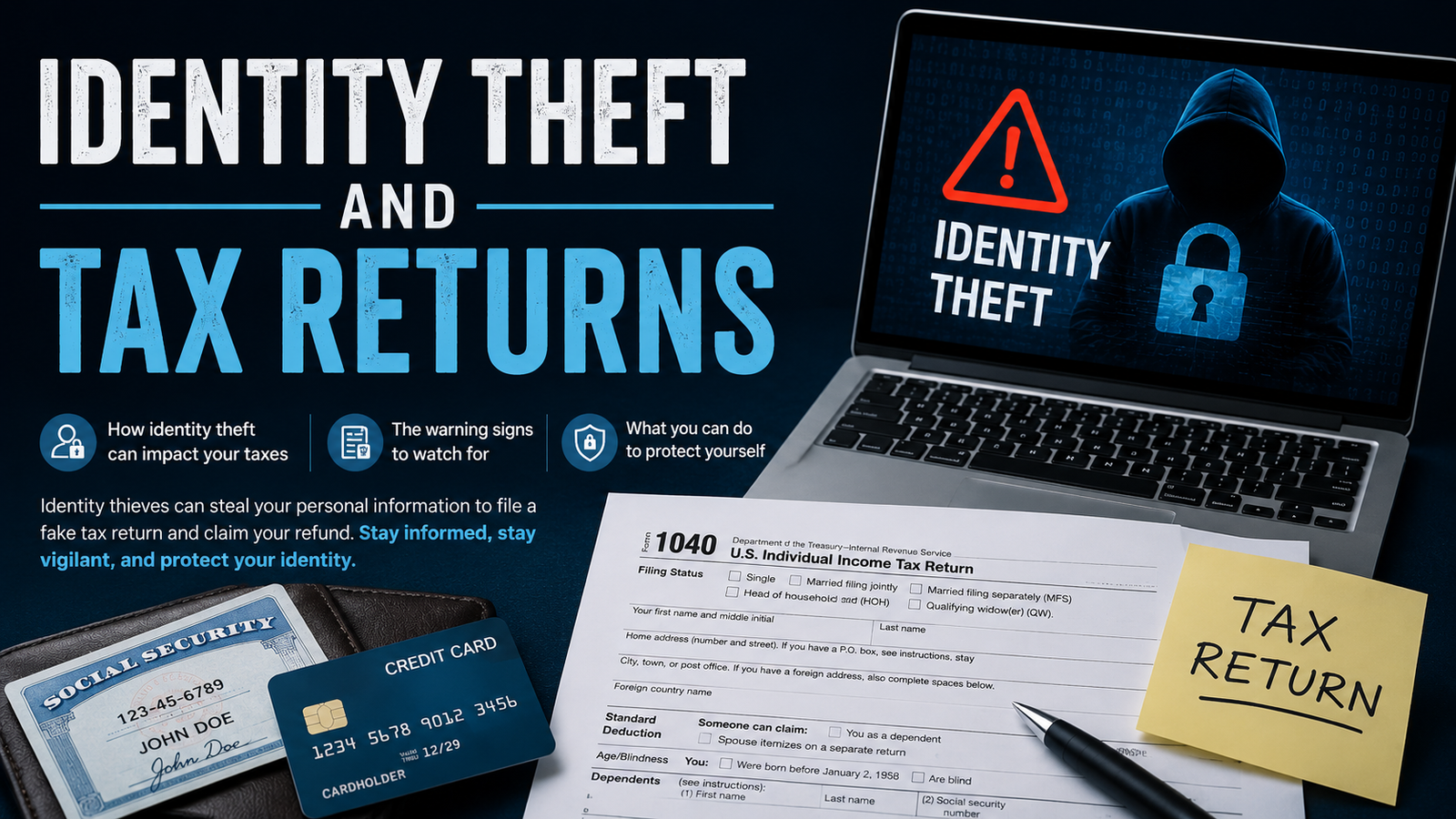
Picture yourself submitting your tax return only to find out that someone has submitted one on your behalf and that your refund money is lost because the IRS already has your return on file. This means that your Social Security Number has been used by someone else to file for your refund, and you now have the difficult task of convincing the IRS that you are actually the taxpayer. This is not a very uncommon case; it happens to many people annually, especially in 2026.
Tax-related identity theft is one of the fastest-growing financial crimes in the United States. Criminals are smarter, data breaches are more frequent, and the IRS, operating with a significantly reduced workforce, is struggling to keep pace. If you have not thought seriously about protecting your tax identity, this is your wake-up call.
Need to Understand Tax-Related Identity Theft
Tax-related identity theft takes place when an individual uses your personal details, primarily your SSN, to file a fraudulent tax return and claim a refund before you do. In most cases, because the IRS issues refunds in 21 days from receiving a tax return, thieves can already have collected your money by the time you realize.
Tax identity theft can also involve fraudulent unemployment or income reporting, fake W-2 wages connected to your SSN, employment fraud using stolen taxpayer information, filing state tax returns under another identity, and illegally accessing IRS online accounts.
When you know about all these, the damage is already done, and the process of undoing is a long and frustrating one.
How Do Criminals Get Your Information?
It is essential to know how your data is being stolen if you want to protect yourself. Tax identity theft starts when criminals get their hands on your personal data, either by sending phishing emails claiming to be from the IRS or other financial organizations, by visiting fake tax filing websites, by compromising companies where you work or visit for healthcare services, by hacking banks, by stealing your mail with W-2s and tax papers, and by using weak passwords for your financial sites. By 2026, con artists will be employing AI to send you emails, messages, and even phone calls.
What makes this especially dangerous is the time lag. Your Social Security number, date of birth, and home address don’t expire. Once exposed in a data breach, that combination of information can be reused by criminals for years. A breach from 2023 can fuel a fraudulent filing in 2026, and frequently does.
You may believe that since everything has been fine up until now, your information must be secure. However, in many instances, stolen data is sold in dark web markets long before it is used.
What Are the Warning Signs of Tax Identity Theft?
Often, victims discover they have been targeted when they try to file their return, and the IRS returns their filing because someone else has already filed taxes using their SSN. Some of the other warning signs include:
- An IRS notice about a tax return you did not file
- A notice that you owe additional tax for a year you already settled
- IRS records showing income from an employer you never worked for
- A refund that never arrived despite a confirmed direct deposit
- An IRS notice stating that more than one tax return was filed in your name
- Unexpected changes to your IRS online account
When taxpayers receive any of these warning signs, the IRS suggests taking immediate action, which involves reporting the matter, confirming their identity, and securing their personal accounts. The sooner you do it, the sooner your problem will be resolved.
What Should You Do If You Are a Victim?
What should you do when you realize that your tax identity has been stolen? You should take the following steps immediately:
1 – Respond to any IRS notices promptly.
When the IRS questions whether a return is legitimate, it will send taxpayers a letter asking them to authenticate their identity, and it will not process their return or issue their refund until the taxpayer responds and completes the authentication process. Do not ignore these letters.
2 – File IRS Form 14039 — Identity Theft Affidavit.
This formally notifies the IRS that your identity has been used fraudulently and triggers the assignment of your case to the IRS’s Identity Theft Victim Assistance (IDTVA) unit.
3 – Request an Identity Protection PIN (IP PIN)
Any taxpayer who wants to protect themselves from tax-related identity theft can request an IP PIN. A unique six-digit number known only to the taxpayer and the IRS that prevents anyone else from filing a tax return using their Social Security number. Taxpayers in the IP PIN program receive a new IP PIN annually.
4 – File a report with the FTC
At IdentityTheft.gov and consider placing a credit freeze with all three major credit bureaus, such as Equifax, Experian, and TransUnion.
5 – Contact a licensed tax professional
Navigating the IRS identity theft resolution process alone, during a period when the agency is understaffed and backlogs are at record levels, is genuinely difficult. A qualified tax accountant or enrolled agent can communicate directly with the IRS on your behalf, monitor your case, and push for faster resolution.
How to Protect Yourself Before It Happens
Tax identity theft can delay your refund, create filing complications, and expose your personal information to fraud. Taking a few proactive steps before tax season can help safeguard your identity. Prevention is always faster and less painful than recovery. Here are the most effective steps you can take right now:
- Early filing can reduce criminal activity
- Always get an IP PIN before you are a victim
- Be vigilant about phishing and don’t share personal information
- Secure your financial accounts with the use of strong and unique passwords
- Monitor your IRS account online to view your tax records
- Work with a licensed tax accountant to prepare your returns
Summary:
Dealing with tax identity theft is one of the most stressful and time-consuming financial situations a person can face. Tax identity is one of the most valuable pieces of personal information you own. Protecting it and recovering it when it is compromised requires professional knowledge, IRS access, and experience.
World Tax and Accounting has a team of licensed CPAs who make sure you are not alone. Our experienced tax accountant team is here to protect your finances.
Do not wait until a fraudulent return shows up in your name. Contact us today and let our team put the right protections in place, or help you fight back if the damage is already done.